
Brad Parry Receives the 2026 Schnitzer Prize of the West
In its inaugural edition, the Prize celebrates uncommon collaborations in solving legacy environmental challenges in the American West
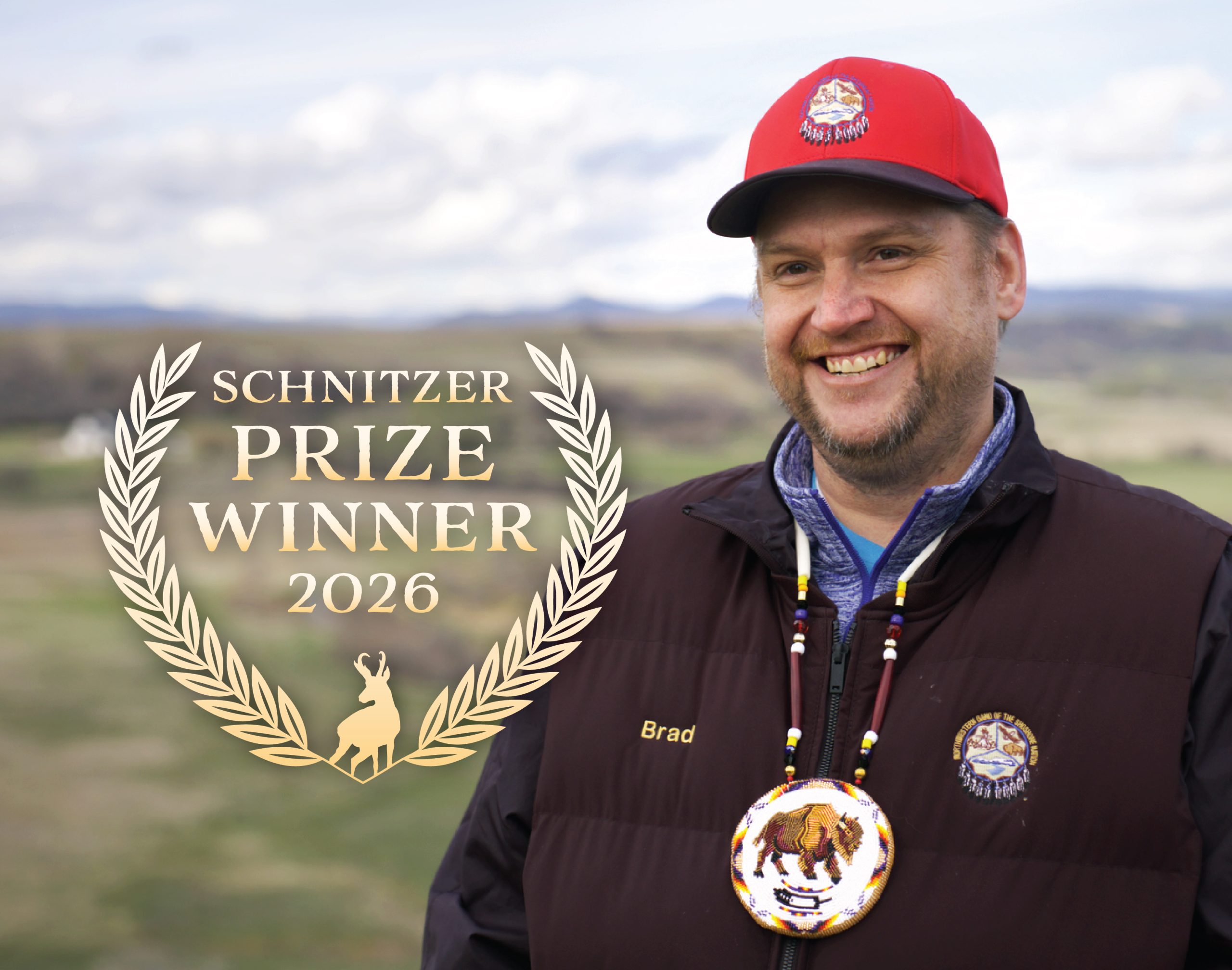
Brad Parry & the Wuda Ogwa Project
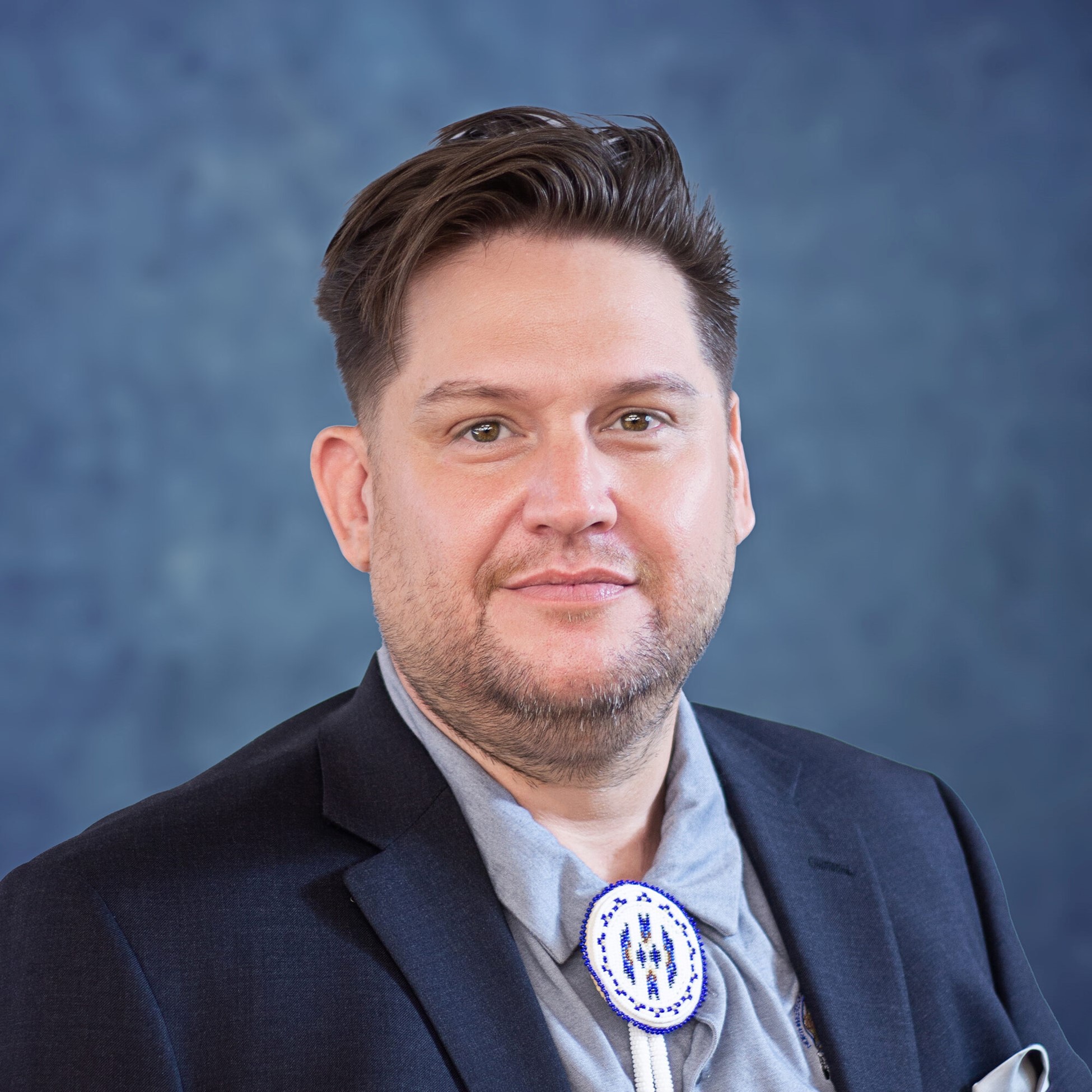
Brad Parry, the Vice Chairman for the Northwestern Band of the Shoshone Nation, was awarded the inaugural Schnitzer Prize of the West for his leadership and collaborations in transforming the site of the 1863 Bear River Massacre in Preston, Idaho, into a place of ecological and cultural healing. As the leader of the Wuda Ogwa Cultural and Land Restoration Project, Parry is recognized for having built one of the most collaborative models of watershed restoration in the American West while successfully restoring the land to its natural state.
The Schnitzer Prize of the West celebrates Parry, his uncommon collaborations, and his innovative response to the urgent issues of sovereignty, ecological restoration, and water security.
His nomination was selected by an esteemed panel of 13 advisors with deep backgrounds in tribal leadership, ranching and farming, water policy and river restoration, and prominent academic centers focused on the American West. The panel evaluated nearly 100 nominations across 12 states. Among the nominations, the Advisory Committee also recognizes four finalists—Amy Bowers Cordalis, Kelley Delpit, Julie Rentner, and Laura Van Riper.
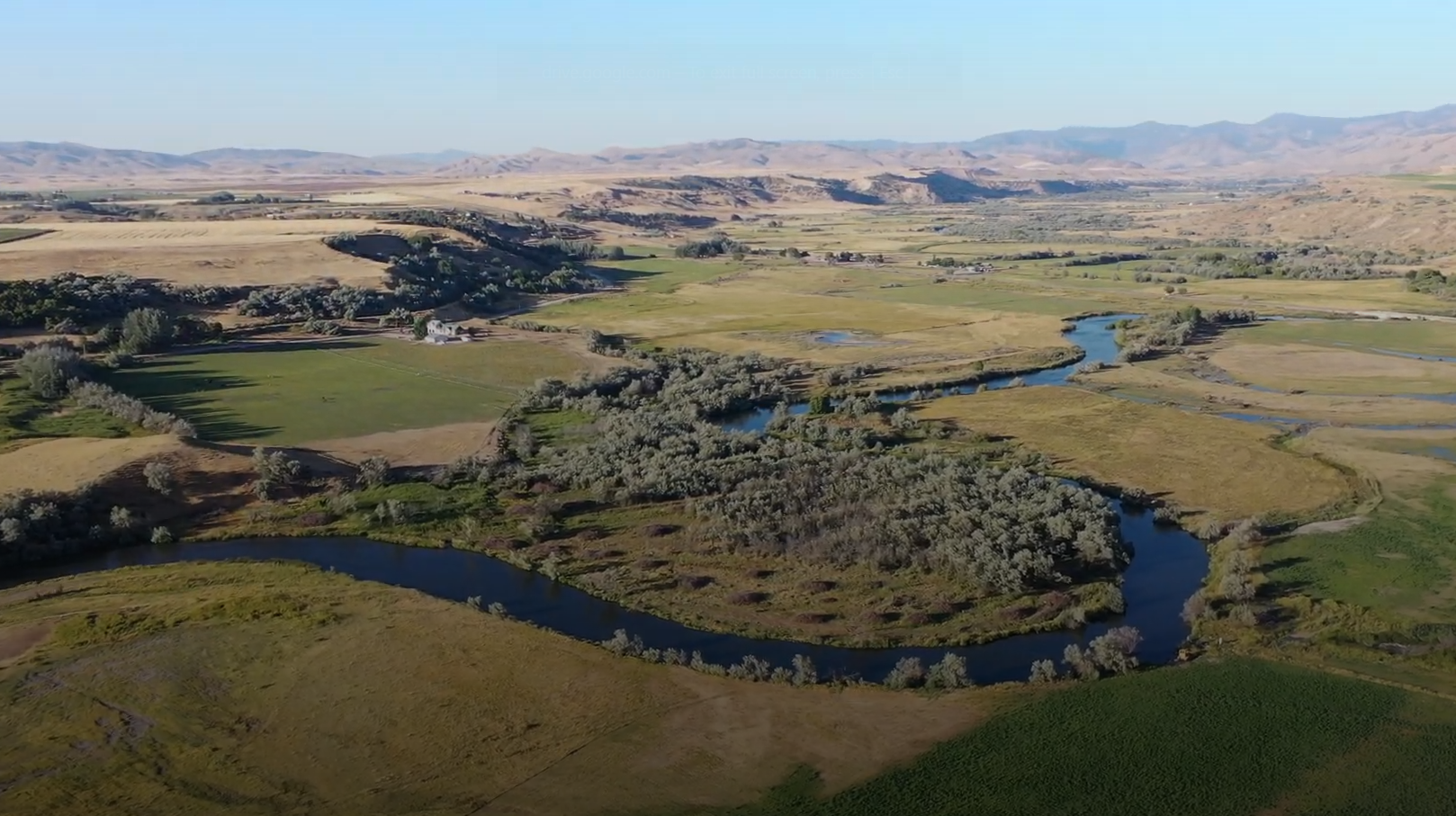
Brad Parry and the Northwestern Band of the Shoshone Nation are restoring 350 acres at the historical site of the largest Indigenous massacre in the Western United States — establishing that cultural and environmental restoration go hand-in-hand in the American West.
Since the tribe purchased the land in 2018, the Northwest Band of the Shoshone Nation has begun to re-wild what is today known as Battle Creek, which is a tributary of the Bear River in Southeast Idaho. About a two-hour drive from Salt Lake City, replenishing the Bear River has direct benefits for restoring water levels in the rapidly declining Great Salt Lake. And still, the Wuda Ogwa project means so much more.
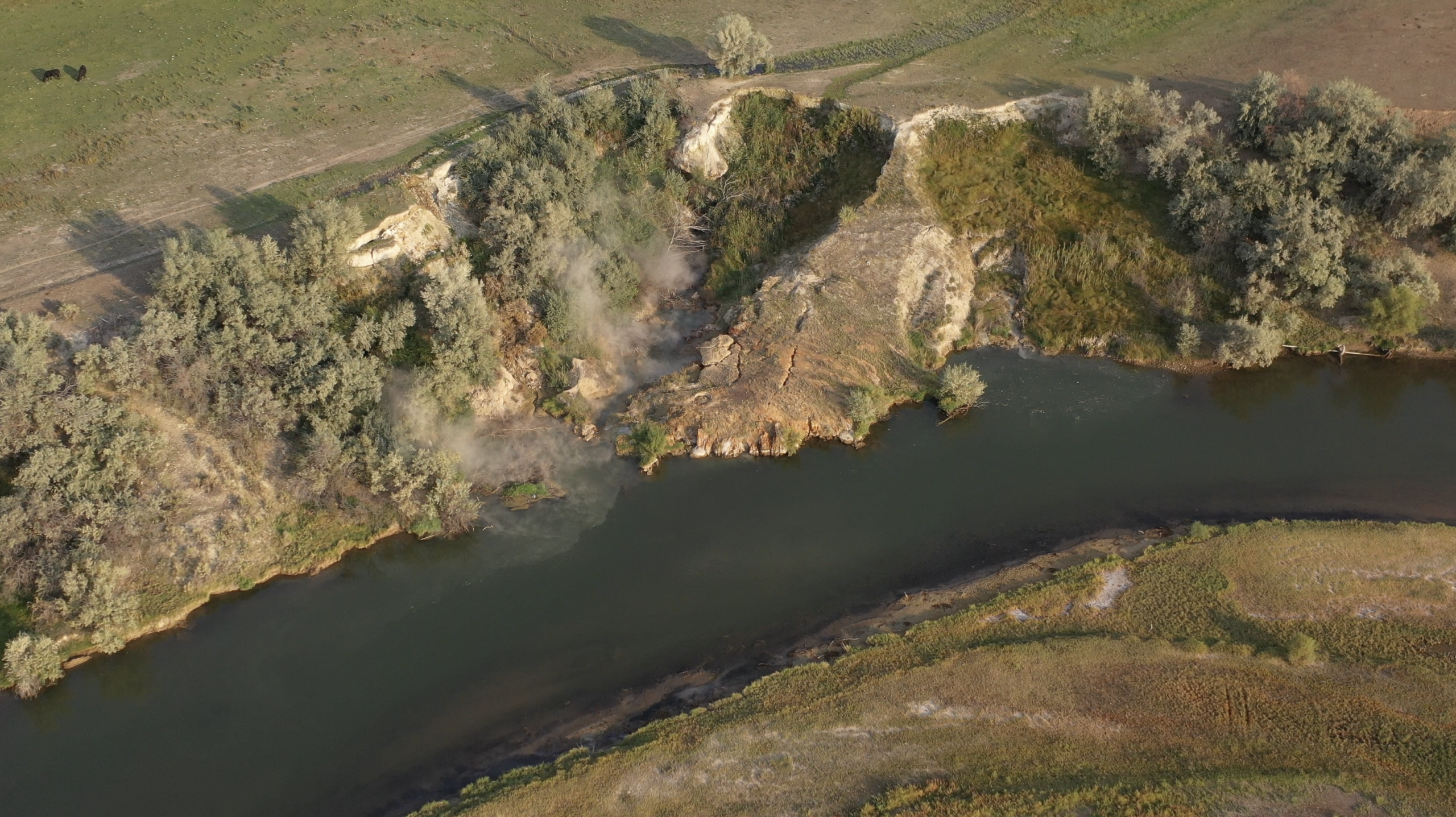
For the Shoshone people, it is a legacy of a tragedy that almost wiped out their entire population. It is a site they return to every January to memorialize their ancestors who died on January 29, 1863.
“I am deeply honored and humbled to be the inaugural recipient of the Schnitzer Prize of the West, a recognition I proudly accept on behalf of the Wuda Ogwa project. This achievement embodies the resilience and unity of our Tribe, our people, and our community, building upon the legacy of those who came before us.”
— BRAD PARRY
As the Vice Chairman for the Northwestern Band of the Shoshone Nation, and the Tribe’s natural resource officer, Parry’s leadership has been crucial in managing and directing the Wuda Ogwa restoration project.
Brad Parry is actively involved as a member of the Weber River Commission, the Bear River Commission, the Jordan River Commission, the Great Salt Lake Advisory, and the University of Utah’s Board for Native Excellence and Tribal Engagement. Brad spent over 16 years with the Department of the Interior’s Bureau of Reclamation, focusing on water quality improvement and Colorado River Basin salinity control. Brad spent his formative years in Syracuse, Utah, near the Great Salt Lake, and earned a Bachelor of Science in Speech Communication from the University of Utah.
Through Brad’s leadership, perseverance, and ability to bring together often-conflicting groups, the Wuda Ogwa site is now owned and managed by the Tribe. Since 2018, they have invited large groups of volunteers, university researchers, non-profits, landowners, and nearly every federal land agency to participate in this large-scale restoration project.
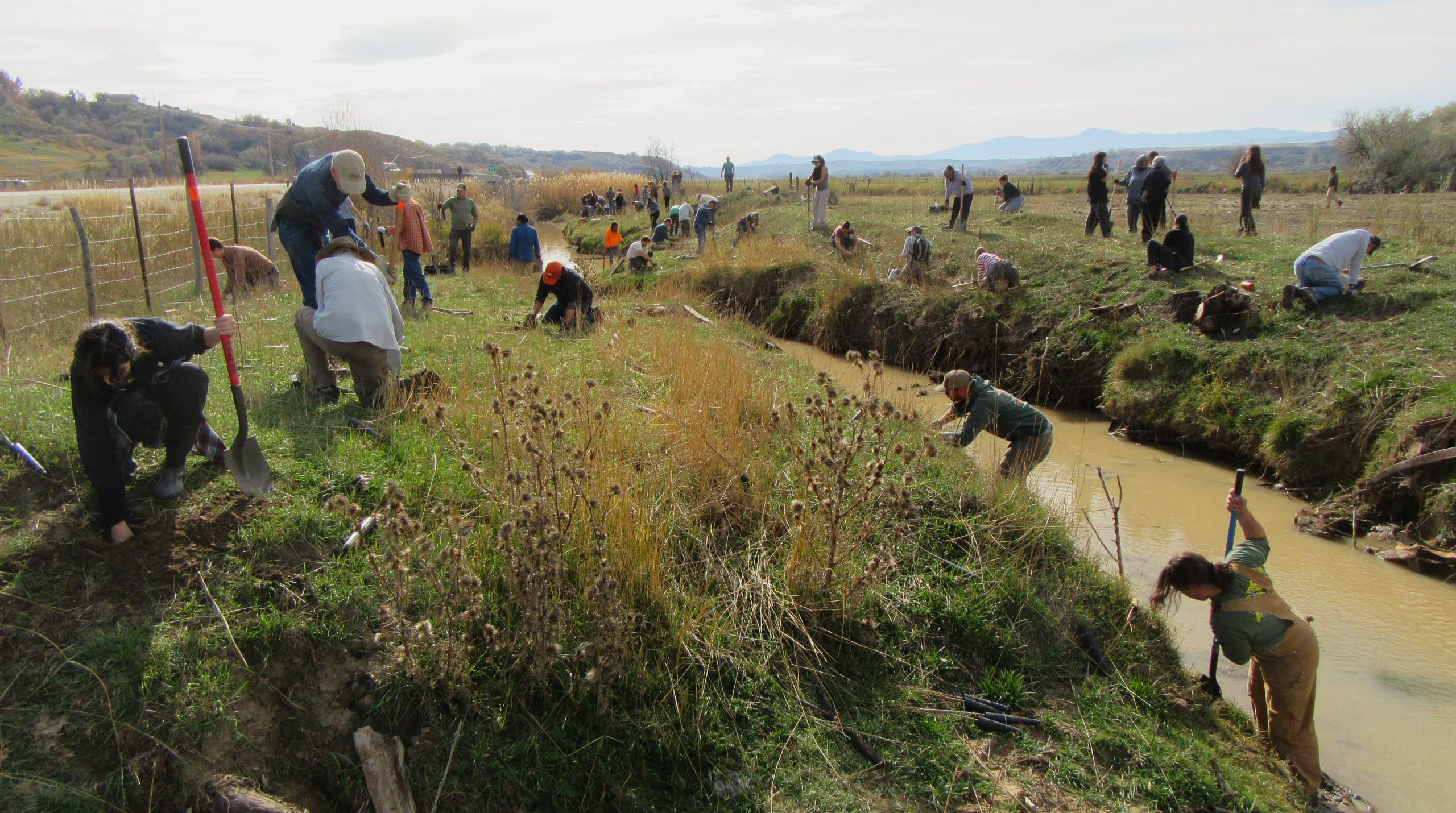
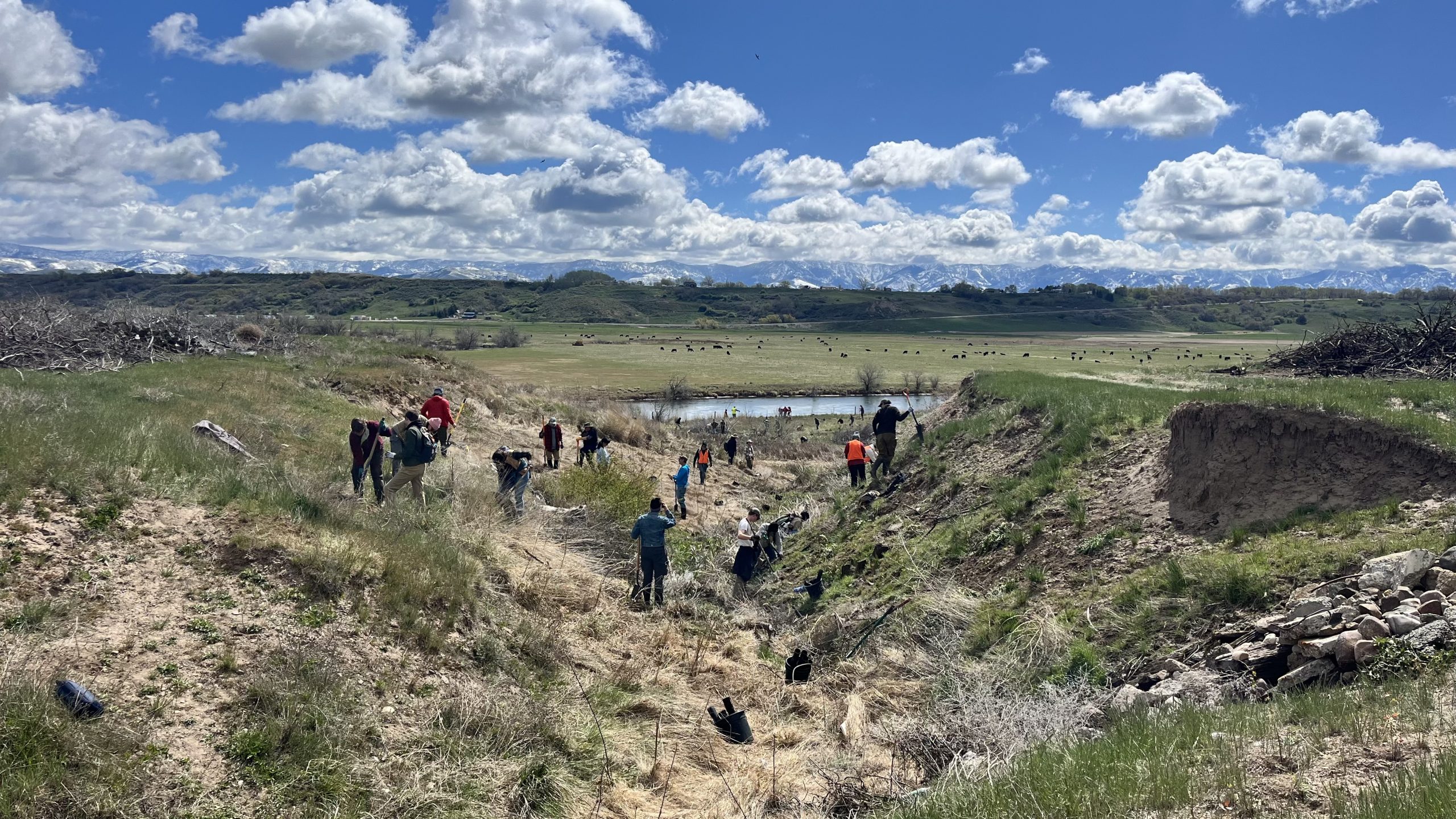
Currently, the project is removing invasive species, reintroducing once native species such as beaver and trout, and replanting historically significant plants such as the willow tree. Used as a source of food, medicine, and shelter, the willow tree served as a shield and a hiding place for many survivors in 1863, whose descendants today remember and honor their ancestors.
Through his partnerships with Tribal members, local farmers and ranchers, academics, state and local governments, and community groups, Parry has built one of the most efficient models of watershed restoration in the American West, and it represents an inspirational model for others to look to among the region and beyond.
“At its heart, this work is driven by a steadfast commitment to caring for our land, revitalizing our connection to history and culture, and building bridges with other communities—an essential responsibility we must uphold for our future generations,” said Parry.
2026 Schnitzer Prize of the West Finalists
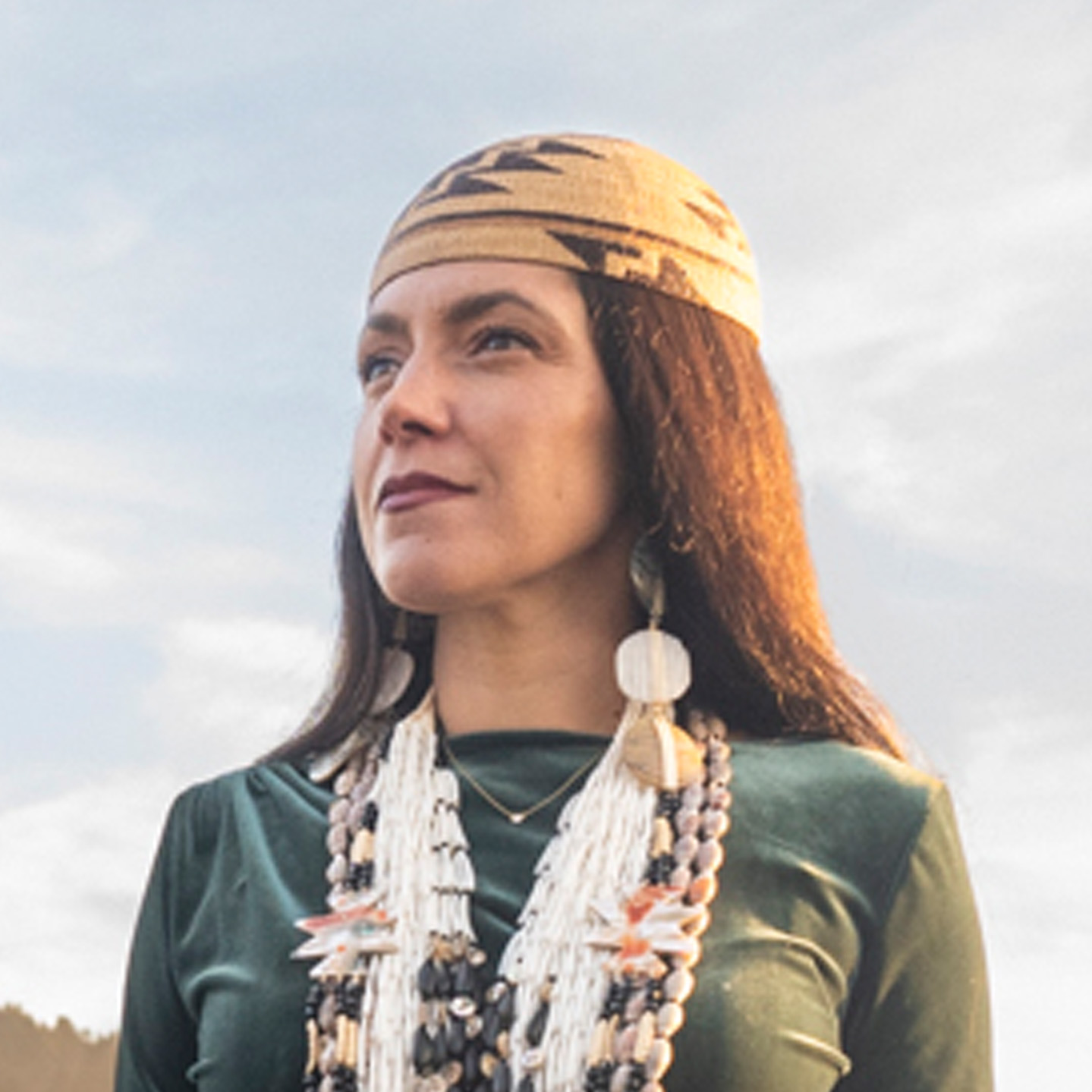
Amy Bowers Cordalis
Ridges to Riffles Indigenous Conservation Group
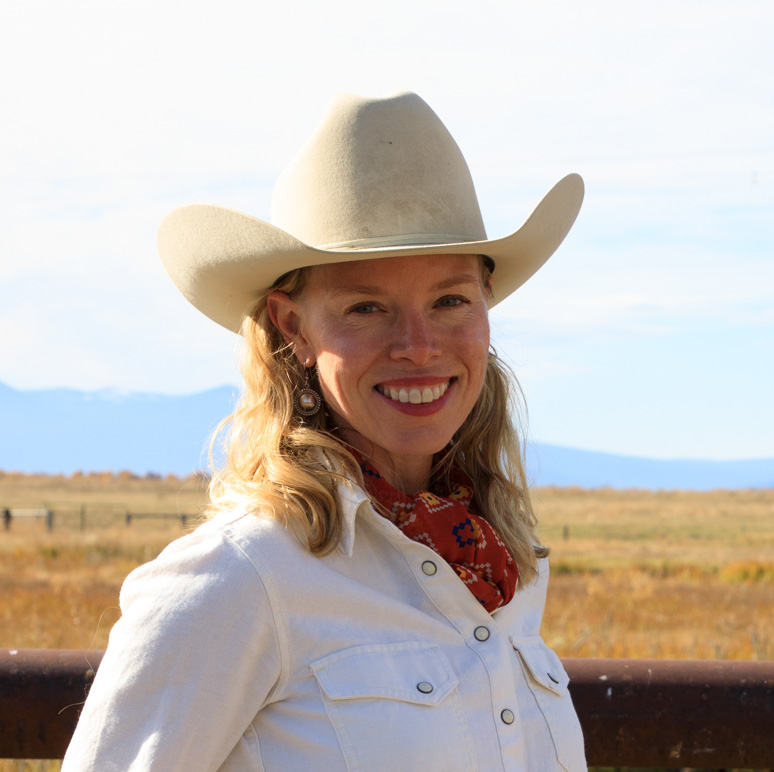
Yurok Tribal member, attorney, and Co-Founder and Executive Director of Ridges to Riffles Indigenous Conservation Group, Amy is being recognized for her work on Indigenous sovereignty and the historic Klamath Dam Removal project.
Kelley Delpit
Sustainable Northwest
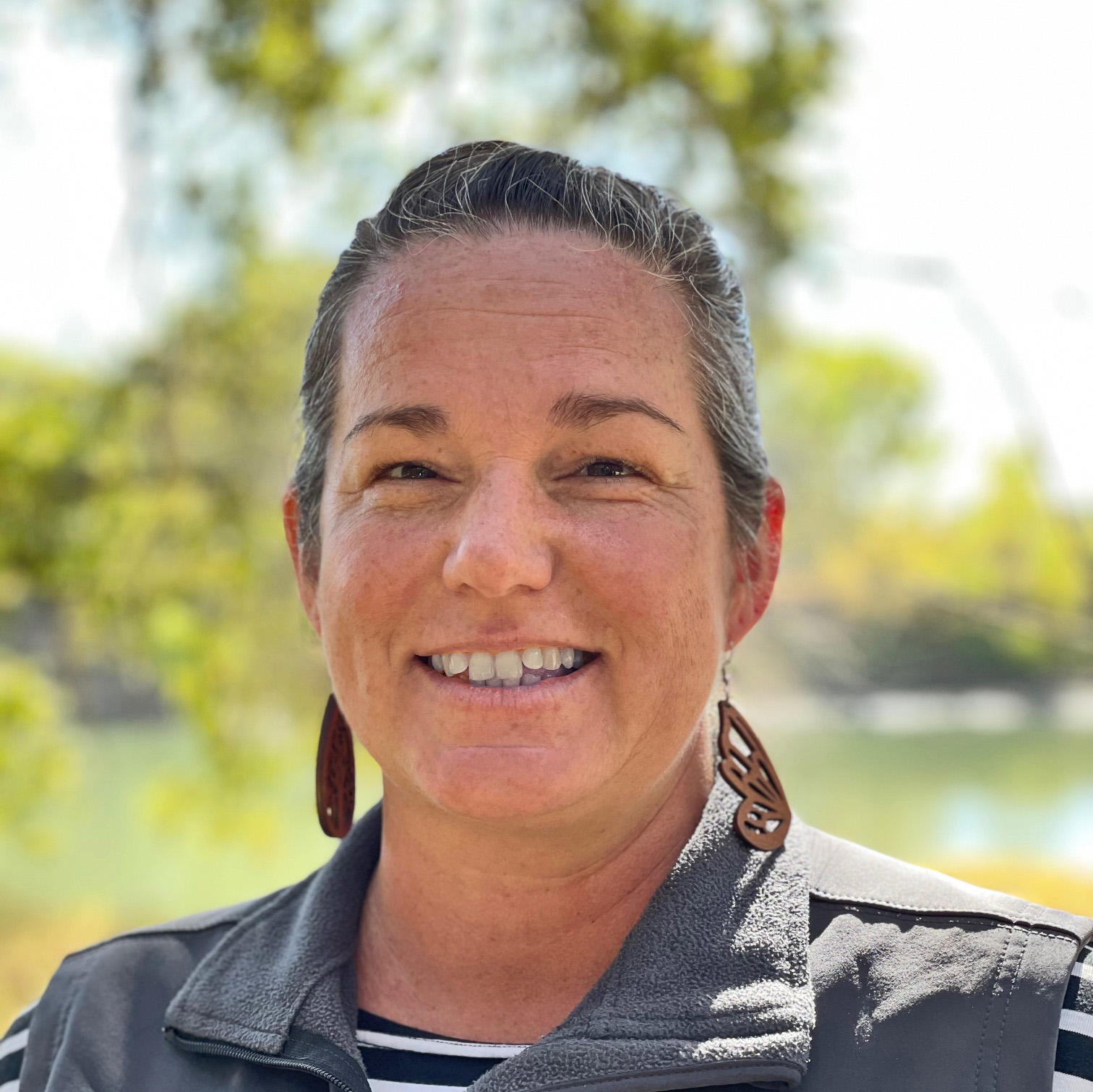
Senior Water Program Manager at Sustainable Northwest, Kelley draws on her history of ranching in the Upper Klamath Basin to collaborate with landowners and local partners on ecosystem health and sustainable agriculture.
Julie Rentner
River Partners
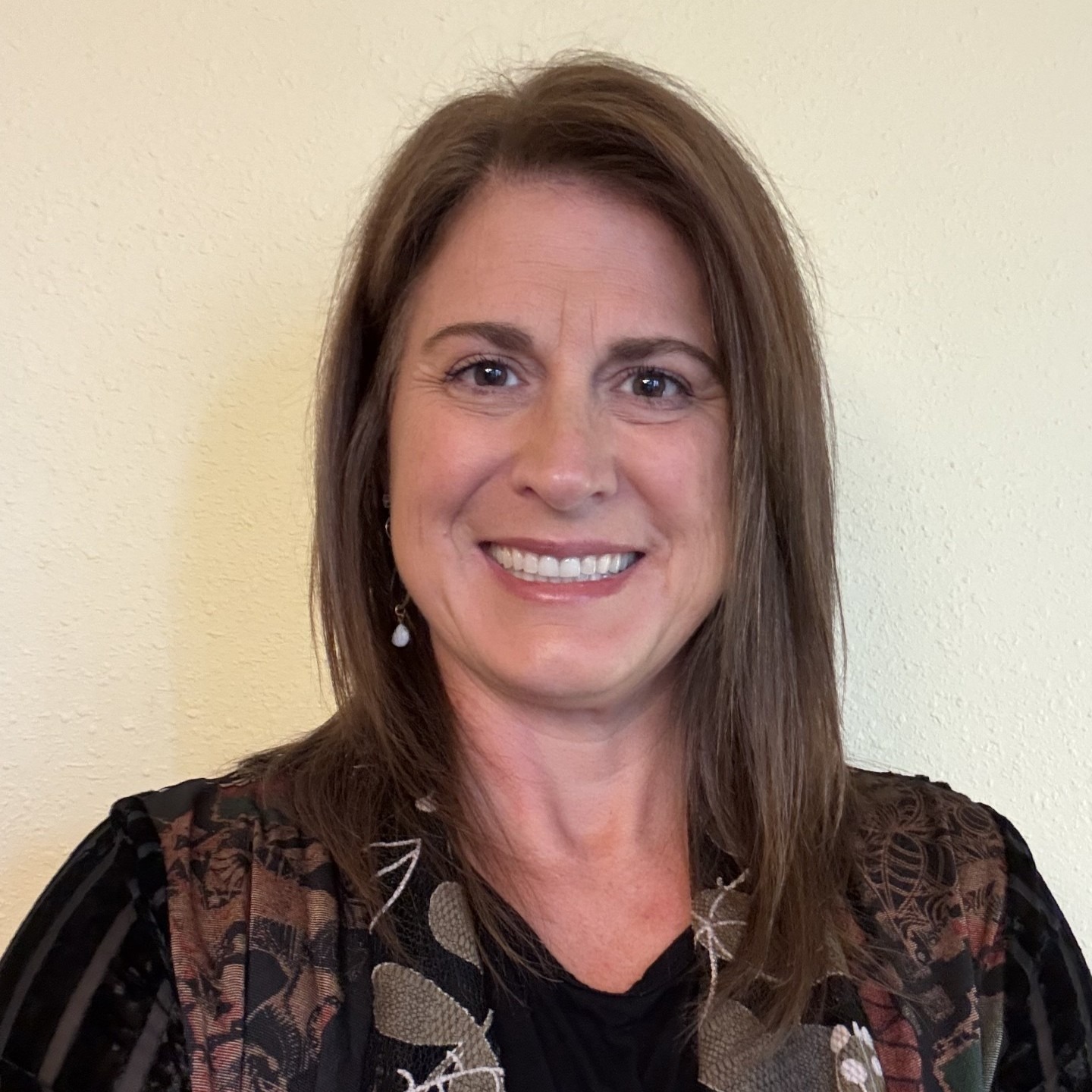
Rentner is president of River Partners, where, since 2008 she has led hundreds of millions of dollars in landscape-scale river restoration across California, establishing one of the largest on-the-ground restoration footprints in the West.
Laura Van Riper
Former National Riparian Service Team, BLM
Van Riper is a consultant with over 30 years of experience in collaborative natural resource management and conflict resolution, including 23 years as a social scientist on the BLM’s National Riparian Service Team before transitioning from the federal workforce to consulting in 2025.
Jordan Schnitzer and the Harold & Arlene Schnitzer CARE Foundation
Jordan D. Schnitzer, the visionary sponsor of the Schnitzer Prize of the West, is a prominent West Coast businessman with a vibrant legacy of supporting the High Desert Museum. He is President and CEO of Schnitzer Properties, one of the West Coast’s Top 10 private real estate owners with offices in six Western states.
Through the Harold & Arlene Schnitzer CARE Foundation, Schnitzer carries on the legacy of his late parents and their belief that “to whom much is given, much is expected.” Headquartered in Portland, Oregon, the CARE Foundation and its leaders have given over $300 million to fund hundreds of nonprofit projects that touch lives and enrich communities.
Schnitzer is also a noted supporter of the visual arts and one of ARTnews’ Top 200Collectors, recognized for sharing his extensive art collections with museums and institutions at no charge, while supporting accompanying programming, educational opportunities, and publications.
QUESTIONS?
CONTACT
Matt Muchna
Schnitzer Prize of the West Director
High Desert Museum in Bend, Oregon
prize@highdesertmuseum.org; 541-382-4754 Ext. 370
